| |
 |
| |
| |
ANU - Museum of the Jewish People is a unique enterprise that tells the ongoing and
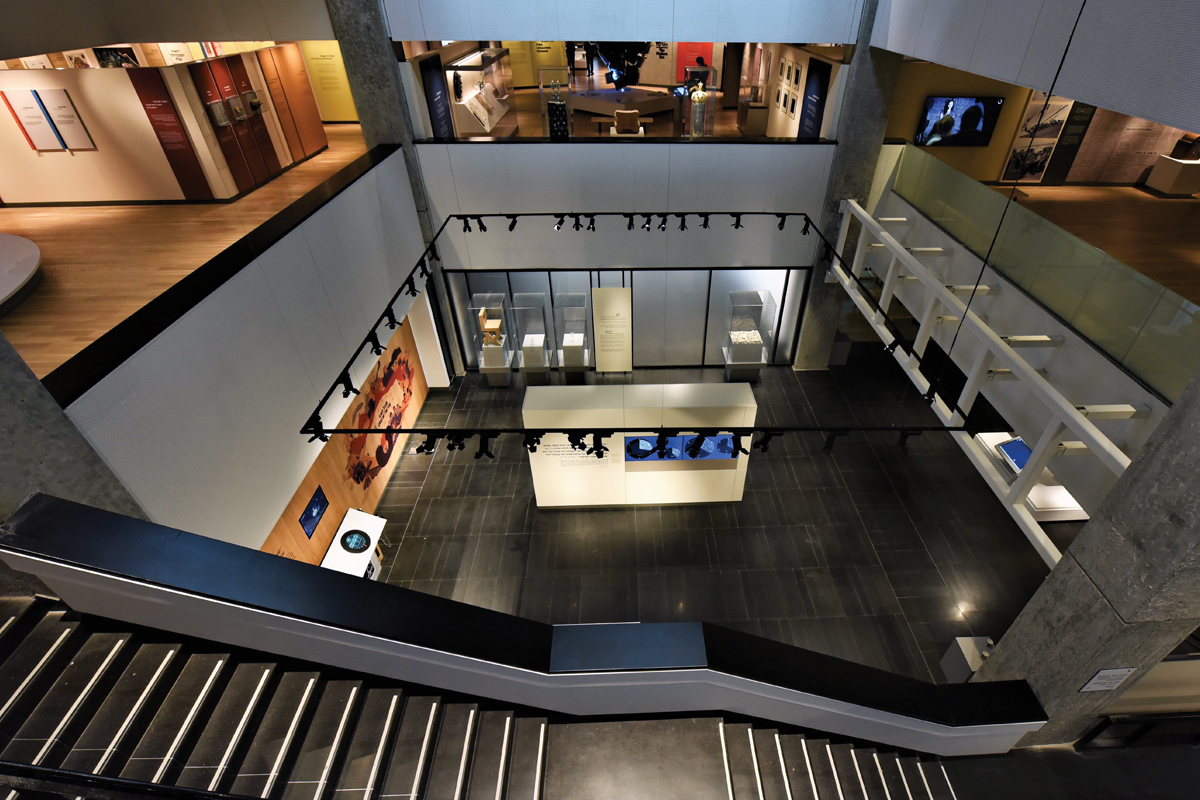
extraordinary story of the Jewish People. ANU celebrates Jewish civilization, diversity, and unity. Formerly Beit Hatfutsot, ANU, “we,” or “all of us” in Hebrew, is about the connectedness of the Jewish People and the narrative that embraces our ethos, guards our values and heritage, and presents the myriad threads of our experience that transcend time and place. With over 72,000 square feet of exhibition space, it is the most comprehensive museum of its kind in the world. A landmark destination, ANU resonates universally and sets new standards of engagement for people of all backgrounds.
ANU is more than a museum. It is a relevant vital center and significant national asset. It plays a prominent role in leading the discourse on the trends, challenges, and threats facing world Jewry and the strategies to address them. Israel’s Law defines it as “The National Center for Jewish communities in Israel and around the world.” ANU is dedicated to its mission to tell the Jewish narrative, adding value to individuals, families, and Jewish communities around the globe.
October 7 will forever be etched in our hearts and minds. On that day, we encountered, again, the horrors of evil. On that day we experienced the sense of responsibility for each other: כל ישראל ערבים זה לזה. On that day, and since, a new chapter of the Jewish story has unfolded, and is yet to be told. On October 7 and beyond, ANU has made a difference. We mobilized our professional and lay leadership teams to join the outstanding volunteers’ spirit and activities in Israel and abroad to meet critical needs of Israeli society as a whole and, especially, of those civilians affected most gravely and soldiers and their families. Then and now, we herald globally the call for the release of the hostages. We were the first to open our venue and have been committed to the ongoing healing process in which cultural institutions play a key role. We also pivoted programmatically. New initiatives, focusing on Jewish communities worldwide and young people, primarily on campuses and in high schools, were created to face the violent and virulent hatred that emerged. Using our unique experience, we designed programs to reinforce Jewish identity, enhance resilience in the present, and build confidence and hope for the future.
Today more than ever, ANU - Museum of the Jewish People continues to play a paramount role as a significant global center regarding critical and urgent challenges facing Israel and world Jewry. |
|
| |
|
 |
 |
| |
The Mosaic
Identity and Culture in Our Times
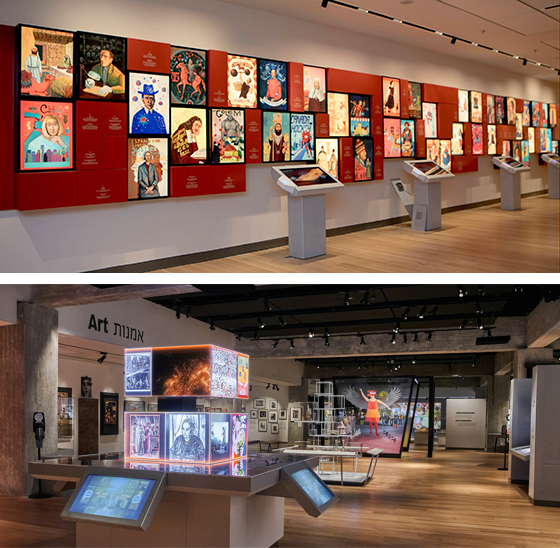
The story begins in the present. The incredible diversity of the expressions of Jewish identity and culture enables each one of us to find something of ourselves. The folklore and the arts, the language and the literature, the different denominations in Judaism, and the Jewish contribution to humanity—these are all manifestations of identity and culture, both individual and collective. |
|
 |
|
|
|
| |
The Journey
The Historical Story Through the Generations
This is the distinct and continuing story of the Jewish people, from ancient times to the present, encompassing chapters of growth and prosperity alongside periods of persecution.
The journey, which extends over thousands of years, begins with the story of the Jewish migrations; examines the large centers of Jewish life, culture, and scholarship; presents the rebirth of the Jewish people after the Holocaust; and ends with the establishment of the State of Israel and a depiction of various Jewish communities in our times.
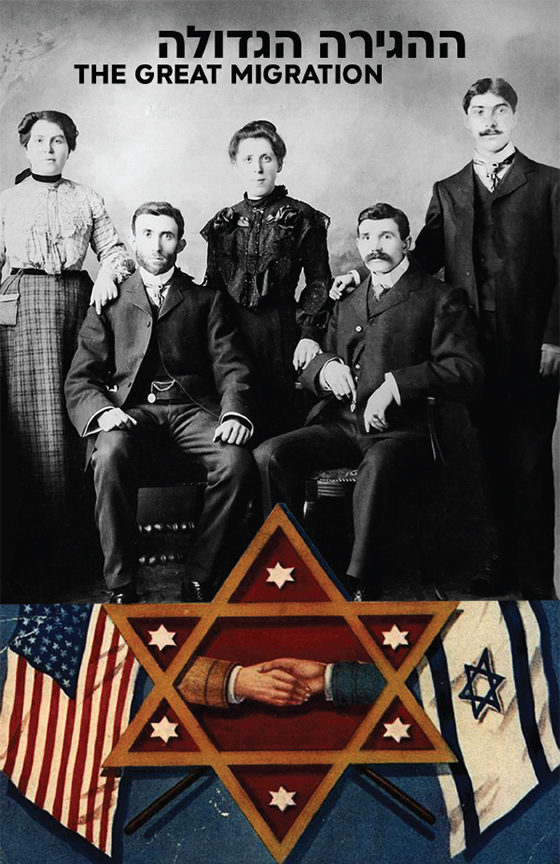
Dr. Ruth Shamir Popkin endowed The Great Migration Hall, focusing on the experience and the narrative of the greatest wave of Jewish immigration in history.
This important gallery presents the story of American Jewry, the largest Jewish community outside of Israel. |
|
 |
|
|
| |
| |
The Foundations
The Alfred H. Moses and Family Wing
A Common Base, A Universal Message
The ideological foundations of Jewish life stem from Jewish
and universal dimensions that have bearing on human civilization. They include Shabbat, the covenant, the cycle of the year, and milestones in human life. The universal foundations are exemplified by the Bible and its impact on world cultures.
The Most Ancient and Complete Hebrew Bible Extant
Israel’s Declaration of Independence, underscores the importance of the Hebrew Bible to the Jewish People and the entire world as follows:
“The Land of Israel was the birthplace of the Jewish people. Here their spiritual, religious and national identity was formed. Here they achieved independence and created a culture of national and universal significance and bequeathed the eternal Book of Books, the Bible, to the entire world.”
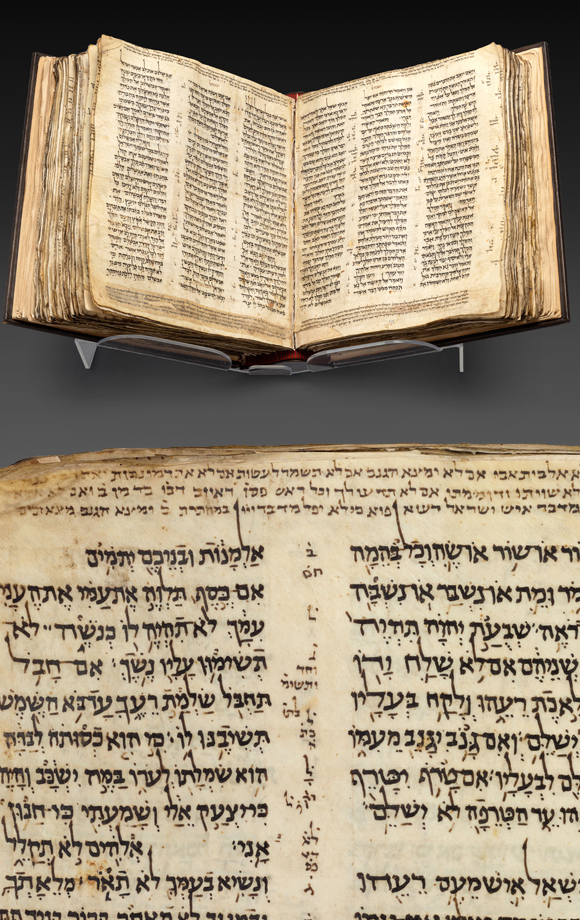
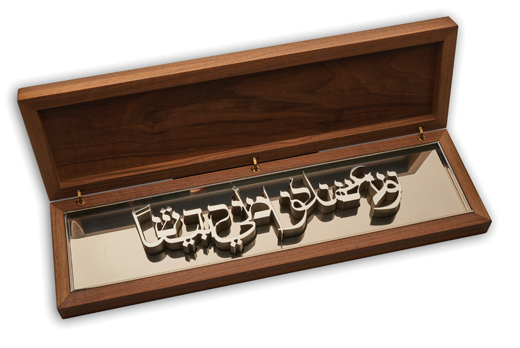
The 1,100 year-old Hebrew Bible, referred to as Codex Sassoon, is singular as it is the most ancient and most complete bible extant.
It is the crown of the Jewish narrative told by ANU. It was acquired and gifted to ANU by Ambassador Alfred J. Moses and his family whose mission was to see it reside in Israel, where it originated, at ANU, a global venue with access to people of all backgrounds. |
|
 |
|
| |
Hallelujah! Assemble, Pray, Study –
Synagogues Past and Present
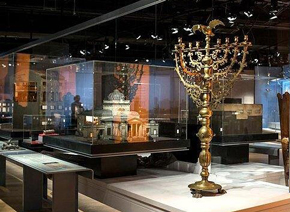
The world-renowned collection of the museum’s synagogue models is displayed in a new gallery presenting the diverse expressions of Jewish life across the continents. The interactive exhibit explores the role of the synagogue as a place of prayer, study, and community in Jewish life. |
|
 |
|
| |
| |
The Tamar and Milton Maltz Family Gallery
The Gallery is dedicated to children and their families and is home of the exciting exhibition Heroes – Trailblazers of the Jewish People.
Learn about inspirational figures from all walks of life, culture, science, sports, and more in engaging and fun interactive activities. The display underscores that hero or trailblazer’s exceptional role and contribution to Jewish values and history.
Parents are invited to join their children
as they explore this unique setting.
|
|
 |
|
Special Exhibitions Wing
Atrium
A 40-foot-high atrium features a model of the magnificent and beautifully reconstructed ceiling of the wooden Hodorov Synagogue destroyed during WWII.
Special Exhibition Halls
Three magnificent gallery spaces for changing exhibitions that delve into themes intrinsic to the story of the Jewish People.
The Lady Sarah Cohen Exhibition Hall
Special Exhibition Hall I
Special Exhibition Hall II
|
|
|
| |
| |
ANU DIGITAL
The Museum offers visitors a variety of advanced technology, apps, and audio guides to enhance their experience. |
|
| |
The Museum and Me
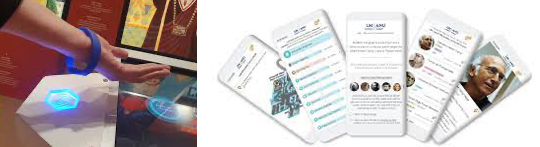
Use the Geni app to discover if you are related to a famous Jewish personality within the exhibits, like Albert Einstein, Emma Lazarus, or Theodor Herzl. The app’s relationship path will then direct you to the location of that personality within the museum as well as connect you with other active visitors.
Scan and Save your Favorite Items
Cutting-edge RFID technology allows you to choose contents from the museum’s exhibits and save them directly onto
your mobile.
 |
|
Audio Guides
Bring headphones to enjoy one of these special audio guides:
Tour of the Museum Highlights: Explore unique exhibits with special stories narrated by relatives of featured personalities, experts, or celebrities.
ANU for Kids: A guided tour of all three floors, including riddles, stories, and games
(Hebrew only).
The Synagogues Hall: A tour of 25 models of synagogues around the world.
Dive Deeper: A deeper exploration of over a hundred exhibits
and displays throughout the three floors of the museum.
Heroes – Trailblazers of the Jewish People: Learn about the lives and accomplishments of Jewish individuals who made a difference.
|
|
|
 |
| |

Enacted by Israel’s Law as the “Center for Jewish Communities in Israel and Abroad,” ANU is a relevant, vital, and significant global center and locus for discourse on values, ethical issues, trends affecting and challenges facing world Jewry.
While its core exhibition is at the center of this cultural enterprise, it is home to the Andrew H. and Ann R. Tisch Center for Jewish Dialogue and the Koret International School for Jewish Peoplehood. ANU presents Judaism, the Jewish people, and Israel comprehensively and compellingly, with the breadth and depth of purpose, content, and connectivity.
It affects and transforms millions of people of all backgrounds, in Israel and around the world.
|
|
 |
|
| |
|
| |
Andrew H. And Ann R. Tisch Center For Jewish Dialogue
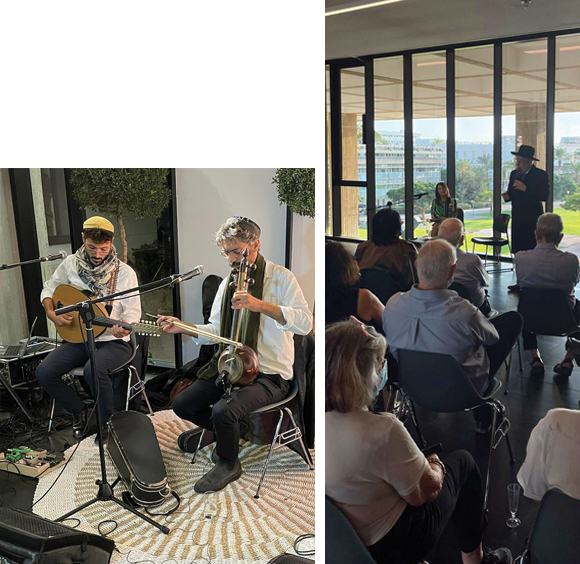
A physical space and virtual platform that encourages ongoing dialogue about the critical issues at the heart of Jewish life today and the opportunities ahead, ensuring that every legitimate voice is heard. The Center considers and explores the role of ANU in addressing these issues, offers events, conferences, seminars and formal as well as spontaneous and informal gatherings at the venue. It adds new dimensions and expands upon the museum’s activities in Israel and abroad. |
|
 |
 |
|
 |
 |
| |
| |
ANU’s global educational arm creates and disseminates innovative and experiential programs as well as tailor-made training workshops based on the museum’s rich exhibitions and databases for a variety of audiences: Jewish youth, Israel Defense Forces (IDF) officers and soldiers, and educators in Israel and around the world.
Its programs are conceived by the forward-thinking educators of the Koret International School for Jewish Peoplehood and are dedicated to cultivating a personal identity and a strong sense of belonging to the Jewish community.
The school offers enrichment programs on a variety of topics including contemporary culture, Jewish history, Jews in Muslim countries, American Jewry, Judaism and gender, identity and belonging, mifgashim and dialogue programs, and much more.
The school works in cooperation with the Ministry of Education, the IDF, teacher training institutes, teacher in-service training programs, the School of Education at Tel Aviv University, and Jewish educational entities around the world. This includes over 2,000 educators and over 35,000 Israeli school children, especially from the geographic and socio-economic periphery, who benefit from ANU’s learning experiences regularly. Additionally 10,000 IDF officers and soldiers attend identity seminars at ANU’s venue as well as military outposts. |
|
 |
|
| |
| |
My Family Story
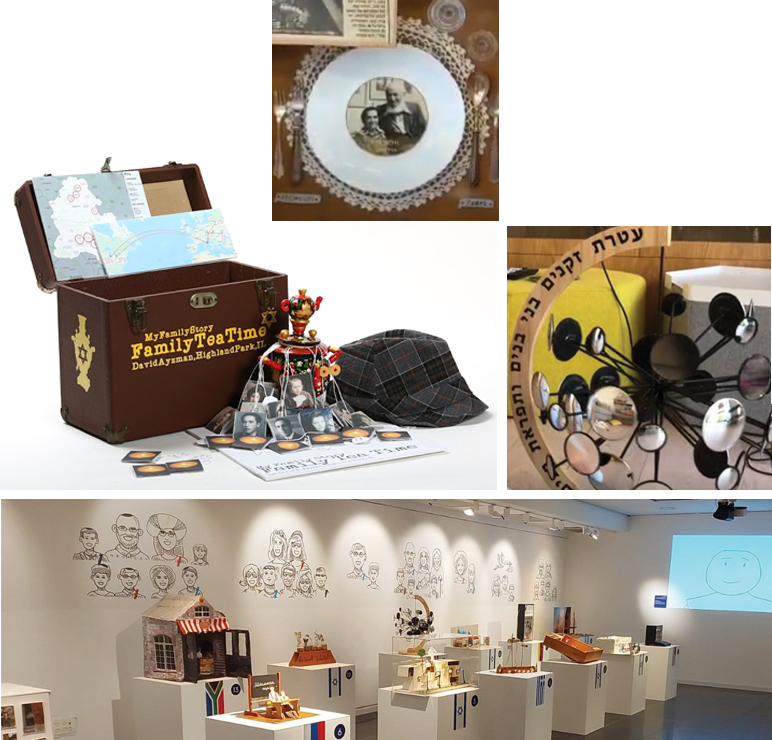
Our signature family program, now in its 27th year, is a meaningful and fun Jewish heritage program that involves 20,000 Jewish youth from over 30 countries. Students research their roots and use their creative skills to design original artistic installations that capture the essence of their family history. Projects are entered in the International My Family Story Competition in memory of Manuel Hirsch Grosskopf and the top entries are selected for display in an exhibition at the museum. |
|
 |
|
| |
| |
The Jewish Lens
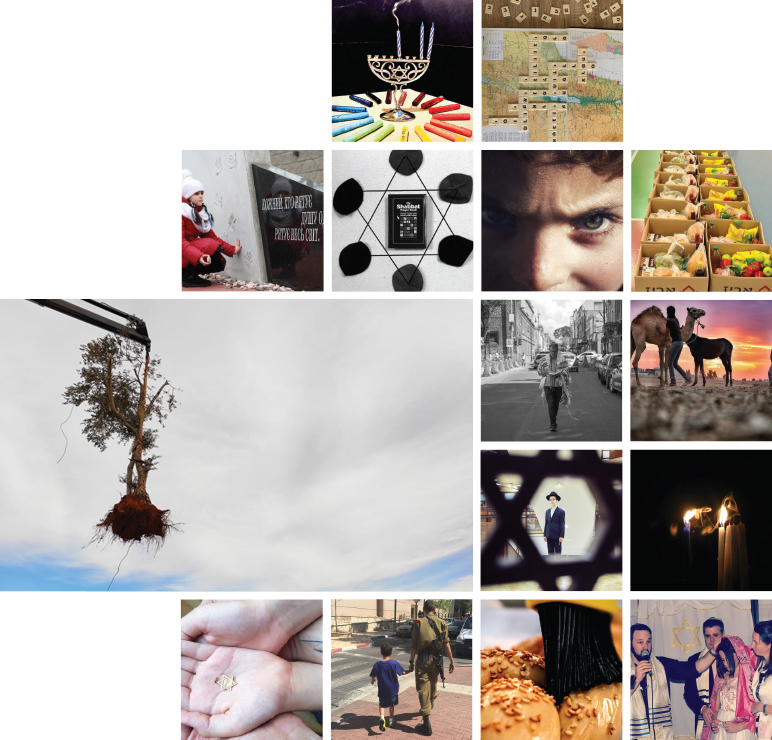
An educational program whose curriculum is designed to engage students to learn about the values that are important in their communities. In partnership with prominent photographer Zion Ozeri, ANU initiated the Jewish Lens Photo Contest, aimed at engaging Jewish teens and university students worldwide. Following a study of Jewish peoplehood and specific themes chosen annually, participants submit a photograph with an accompanying text. A designated committee selects the outstanding works, which are exhibited at ANU. |
|
 |
|
| |
| |
G2G: Generation to Generation |
|
| |
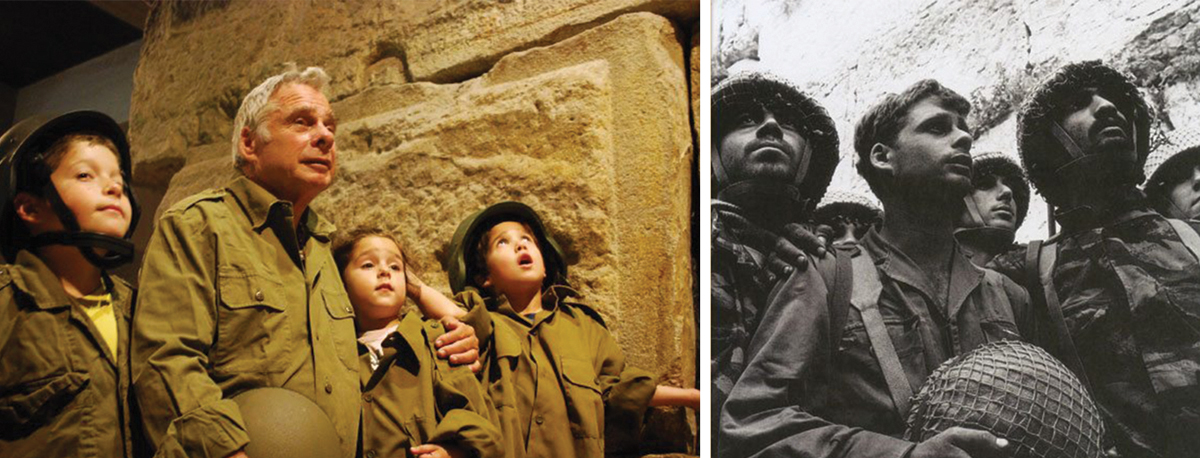
This program links different generations via history and technology. Jewish students are paired with Jewish seniors for mutually beneficial learning. The students share knowledge of hi-tech, while adults relay their personal and collective narratives which the students capture and document. Together they enrich their Jewish identity, knowledge, history, and technical skills and implement core Jewish values. It addresses intergenerational relations and the power to connect generations within the community. |
|
 |
|
| |
| |
Live! Online Tour of the Museum of the Jewish People |
|
| |
We invite groups of adults, students and kids of all ages from around the world to participate in innovative online tours. In a 45-minute long live session, your group will tour the museum in Tel Aviv with a museum educator who works only with your group, from the comfort of a participant’s own smartphone or computer.
Tours Include: |
|
| |
• |
Live! Highlights Tour
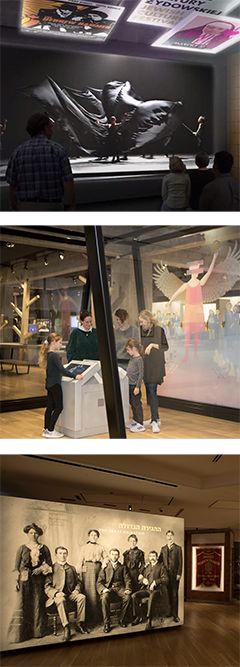
Explore highlights of the spectacular new museum to learn about the unique and ongoing story of the Jewish People. We will make stops on each of 3 expansive floors of the new building, where the diversity of the Jewish world is revealed through extraordinary artifacts, state-of-the-art displays, immersive video and world-class art. Topics include: modern Jewish identity and culture, the historical journey of the Jewish people from Biblical times to the present, and the foundations of Jewish life. |
|
| |
• |
Hallelujah! Synagogues Past and Present
Renowned synagogue models tell stories of Jewish life around the world. |
|
| |
• |
Wonder Women
Meet the Jewish women who made significant contributions to society throughout the ages. What roles did they have? What impact do they have on our lives today? What paths did they forge? Meet some of the well-known and lesser-known figures, including Ruth Bader Ginsburg, Estée Lauder, Dona Gracia, Osnat Barzani and more.
In collaboration with The Authority for the Advancement of the Status of Women. |
|
| |
• |
The Journey
Take a journey through time and place, from the Biblical Land of Israel, into exile in Babylonia, on a path to the East and the West in a great migration around the globe and back to the modern State of Israel. Experience Jewish life around the world with over 4000 years of history. We will visit the great centers of Jewish life throughout the ages, and learn how Jews influenced, and took influence from world cultures in their own time. We will discuss together how our personal stories are intertwined with this greater story. |
|
|
 |
|
 |
 |
| |
THE KORET CENTER FOR JEWISH CIVILIZATION |
|
| |
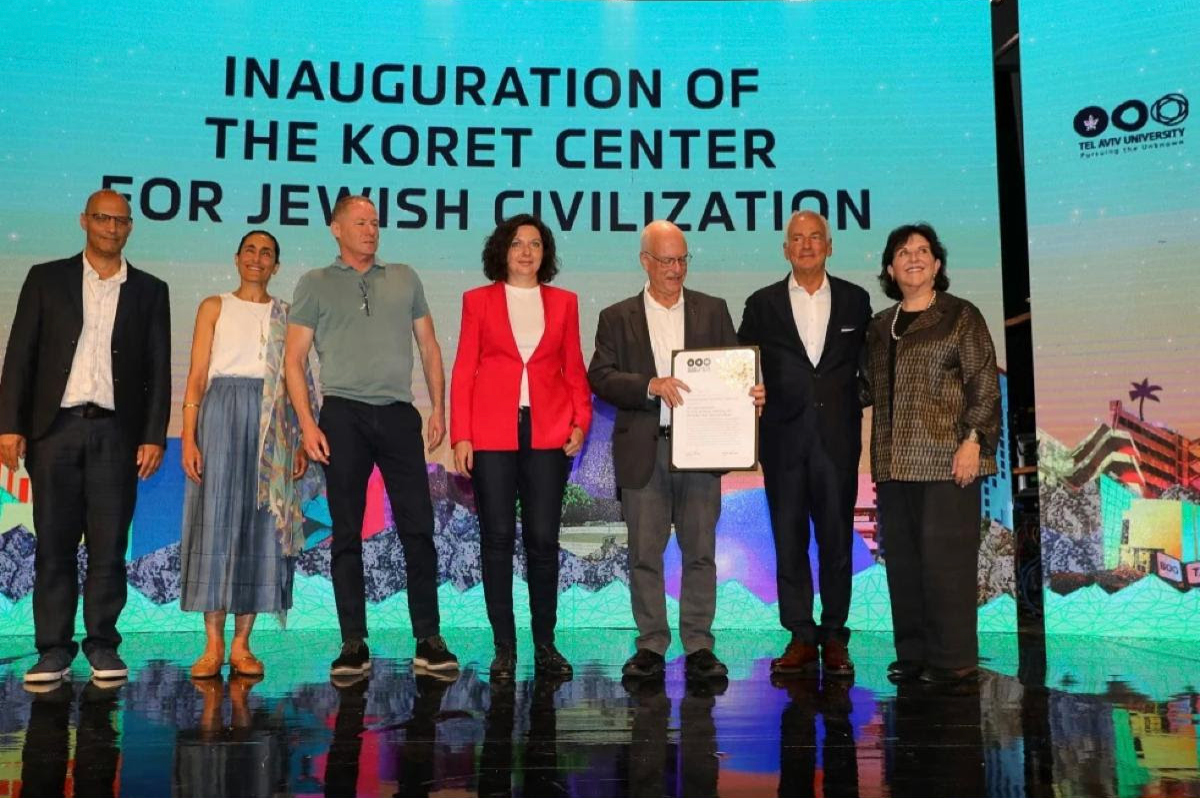
The Koret Center for Jewish Civilization, a partnership between the foundation, Tel Aviv University (TAU) and ANU – Museum of the Jewish People (ANU) to create a groundbreaking new global educational, leadership and research collaborative between these three prominent institutions.
The Koret Center for Jewish Civilization will employ a unique educational and cross-disciplinary approach to the challenges of contemporary Jewish thought, social engagement and identity, as well as build dialogue and understanding between Jewish Israelis and those in the diaspora through an innovative approach to teaching about Judaism as an international community.
The Koret Center for Jewish Civilization Press Release
 |
|
Left to Right: Prof. Youval Rotman,
Prof. Rachel Cinamon Gali,
Mr. Dan Tadmor,
Ms. Irina Nevzlin,
Prof. Ariel Porat, CEO of Koret Foundation
Mr. Jeffrey A. Farber,
Ms. Anita Friedman
(photo by: Rachel Kaplan) |
|
|
|
 |
 |
|
COM.UNITY
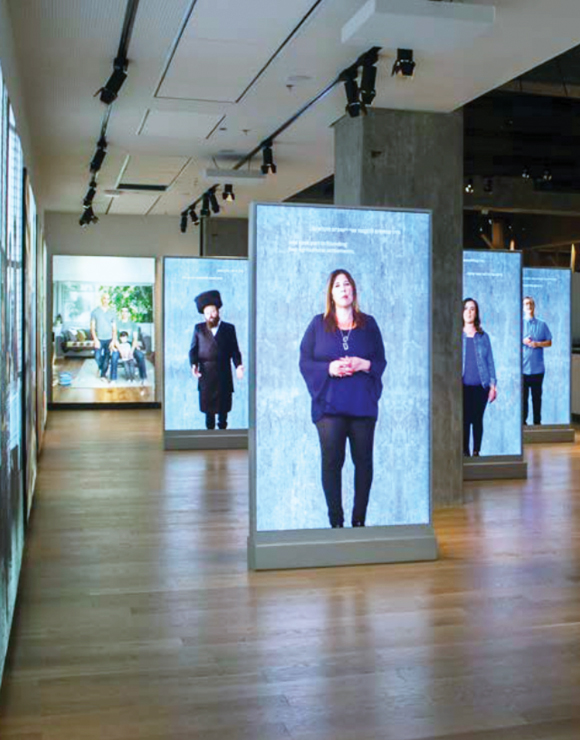
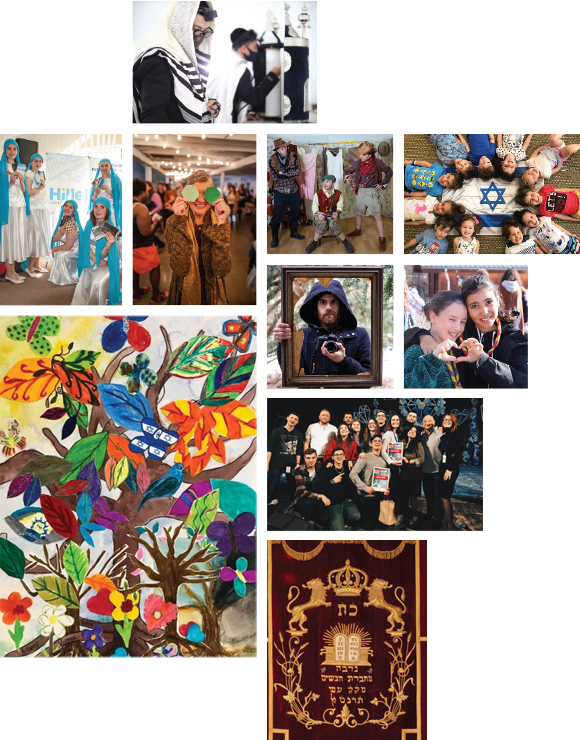
A one-of-a-kind database of contemporary Jewish communities throughout the world. User-managed, photos and videos are uploaded, posted, accessed, and screened in the core exhibition. Visitors discover and engage with a plethora of self-defined communities across the Jewish spectrum: old and new, traditional and progressive, in Israel and worldwide, in person and online.
CAPSULE EXHIBITS
The museum offers a selection of curated, ready-made photo exhibits designed for display in galleries, libraries, schools, synagogues, campuses, and historical societies. The exhibits are offered at no cost, with the intention of sharing ANU’s vast collection of images depicting Jewish heritage, culture, and communal life. |
|
|
| |
 |
|
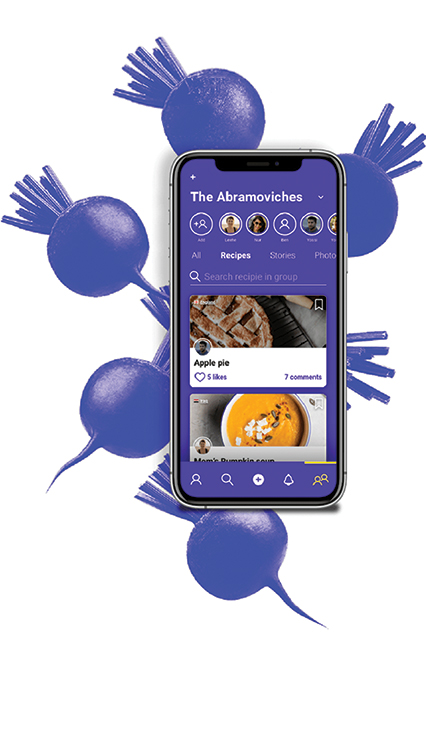
FOODISH
ANU’s culinary arm aims to promote a sense of belonging and reinforce Jewish identity through engagement with Jewish food. Its rich content is user-generated, bringing to the fore family stories, description of communities and traditions, and recipes that are uploaded on the FOODISH app. It interfaces with ANU’s huge databases of photos, films, communities, origin of family names, etc. and holds virtual and in-person programs worldwide.
 |
 |
|
 |
| |
ANU Online is a gateway providing free access to the museum’s unmatched assets. The museum has become a cultural and educational lifeline to our global audience and a powerful presence, positioning the museum as a unique online destination.
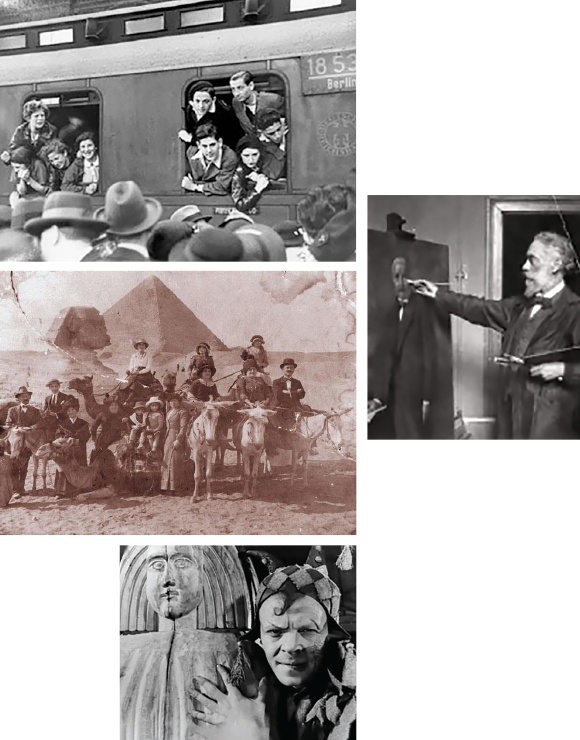
DATABASES
For over four decades, ANU – Museum of the Jewish People has been amassing a unique and intriguing body of knowledge: the family trees of over six million individuals; hundreds of thousands of images and films; and archival research into the origins of Jewish family names, the history of Jewish communities around the world, and an abundance of music, both old and new. When pieced together these elements create the great mosaic of the Jewish story. |
|
 |
|
| |
|
 |
|
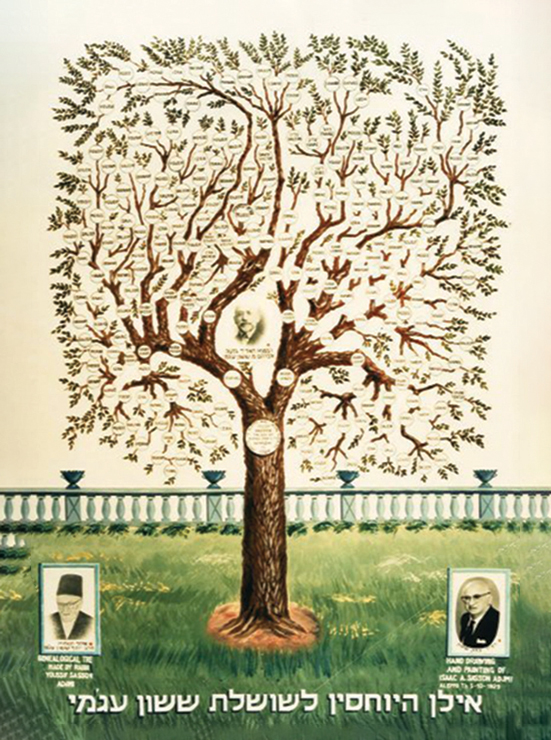
Douglas E. Goldman Jewish Genealogy Center
An integral part of the databases of ANU, the Center contains family trees submitted over the last four decades. It is by far the largest and most comprehensive repository of Jewish family history in Israel.
Visitors can explore their ancestry, record and preserve their family trees for future generations, thus adding their own “branch” to the family tree of the Jewish People. They can search the database containing thousands of genealogies of Jewish families from all over the world. So far, over six million individuals have already been recorded in this continuously expanding database. |
|
|
| |
| |
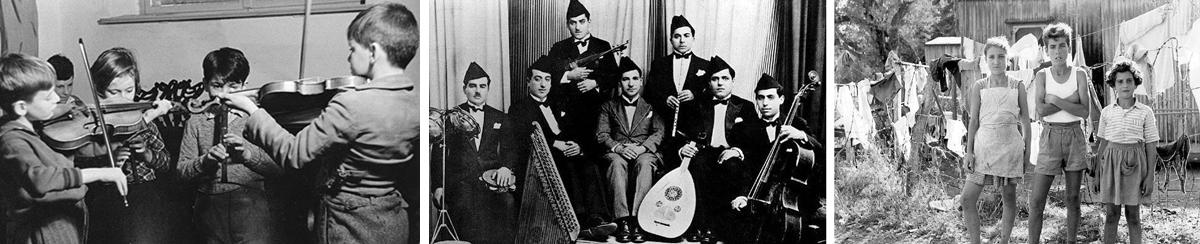
Bernard H. and Miriam Oster Visual Documentation Center
The Center is one of the richest and most diverse collections of photographs, rare films, and documentaries depicting a vast array of Jewish life including: communities, synagogues, public institutions, culture, art, holidays, ceremonies, family and home life, lifestyles, trades, professions, key personalities, and events.
It is an internationally recognized center of Jewish documentation, a valuable resource for scholars, publishers, journalists, the media, institutions, and the public. |
|
The Memi De-Shalit Database of Jewish Family Names
The only digital collection of Jewish family names in the world contains nearly 20,000 entries and continues to grow. It holds information about name etymology, word variants, name migration, and earliest known occurrences. |
|
 |
|
| |
| |
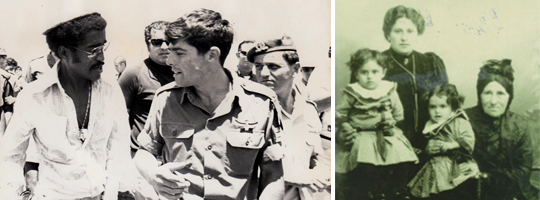
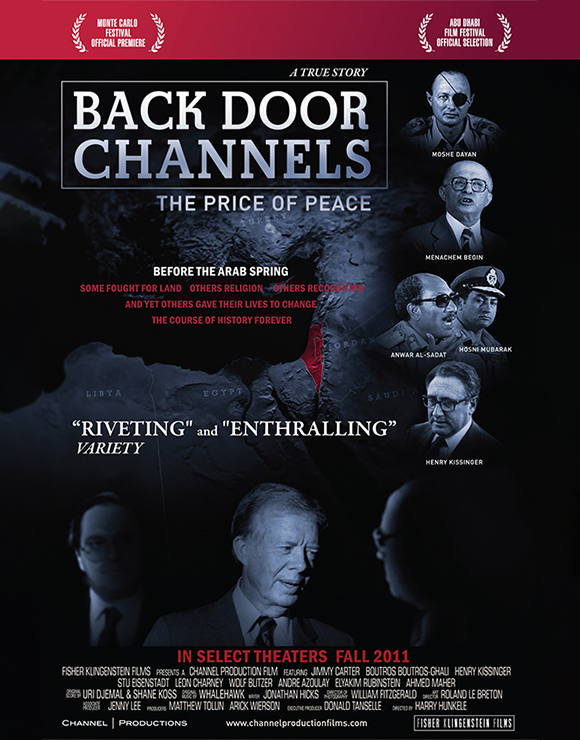
The Leon H. Charney Digital Center
The Center documents and commemorates Leon Charney’s moving life story. It explores his dynamic political achievements and
his memorable entertainment career as an
attorney and a cantor. It includes hundreds of insightful episodes of The Leon Charney Report, a unique current affairs TV show on a vast array of subjects and interviews with historic world leaders. It includes Leon Charney’s books and the documentary Back Door Channels: The Price of Peace, which tells the story of the 1978 peace accord between Israel and Egypt.
 |
|
 |
|
| |
 |
|
The Feher Jewish Music Center
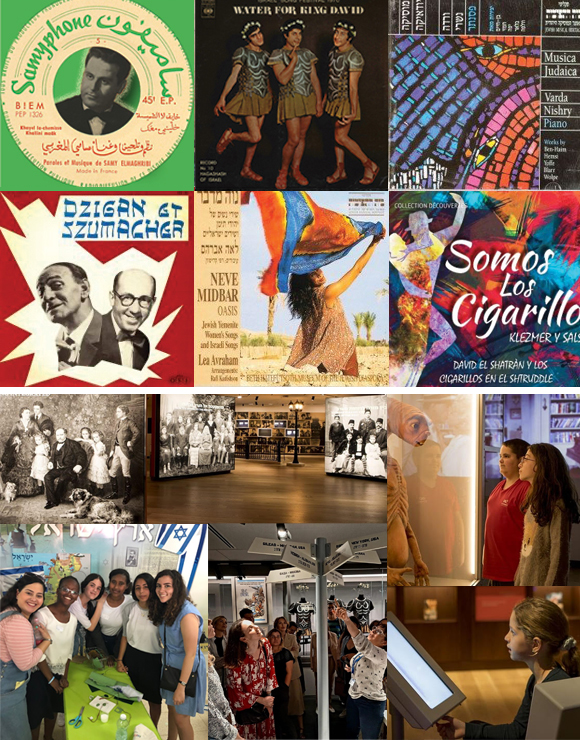
The Center contains over 7,500 recordings of Jewish music and has produced 20 recordings covering the vast scope of Jewish music: traditional singing of the Jews of Morocco, Yemen, Bombay, and Spain; pre-Holocaust music of several communities including Koenigsberg, Danzig, and Berlin; and compositions in Hasidic style choral music based on Jewish traditional themes.
The Jewish Communities Database
One of the richest collections of Jewish community culture in the world spanning six continents. It includes an astounding array of facts, figures, anecdotes, narratives, and cultural descriptions from over 3,000 Jewish communities, past and present, and paints detailed portraits of Jewish life throughout the ages. It is an unparalleled tool for preserving Jewish communal and cultural memory for future generations. |
|
|
| |
| |
Synagogues 360
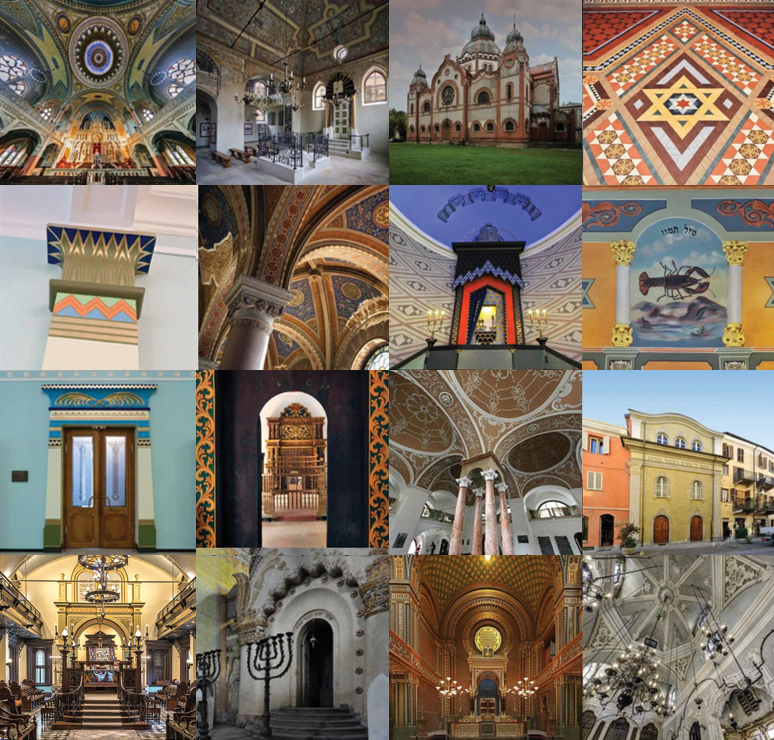
A visual and historical record of 600 synagogues from around the world. The project, initiated and photographed by Louis and Ronnie Davidson, provides a visual record of Jewish heritage by means of interactive 360 degree panoramic photos.
Time, weather, political and demographic shifts erode cities and buildings as do violent upsurges of anti-Semitism. Synagogues 360 digitally saves these unique historic legacies for future generations to see and experience. |
|
 |
|
 |
| |
INTERACTIVES
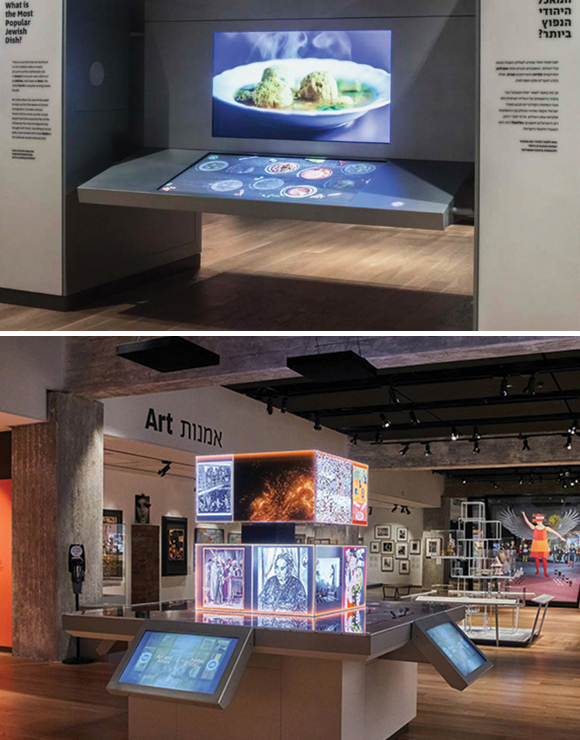
The museum offers visitors an immersive experience and interactive dialogue with some of the displays enabled by innovative two-way communication technology.
Our interactives focus on art, literature, music, lullabies (VR) and the most popular food interactive.
THE HERITAGE ROOM
Located in the museum lobby, the display depicts the museum’s history from its beginnings to its new opening. It includes the dreamers and founders of the original museum, those who turned the new museum into a reality, as well as famous visitors since its founding in 1978. All the museum’s databases
are accessible here.
|
|
 |
|
| |
|
| |
SPACES
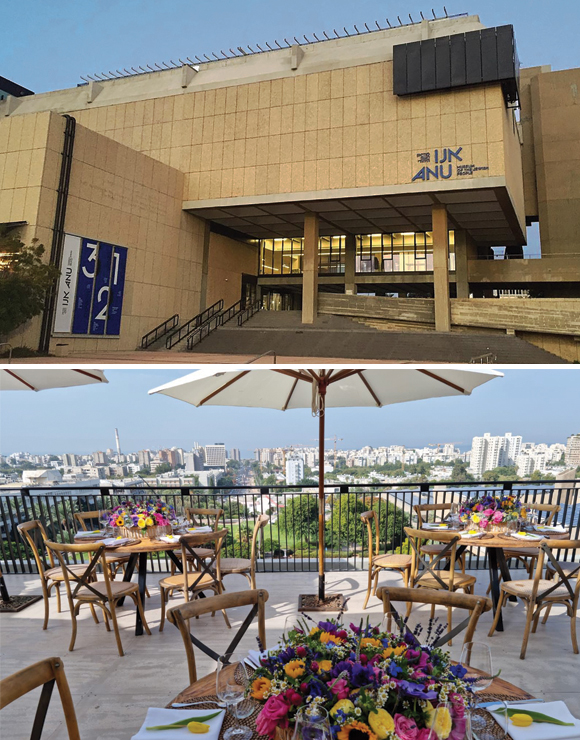
ANU – Museum of the Jewish People offers flexible event spaces, lecture halls, and classrooms for family events, business gatherings, conferences, seminars, ceremonies, concerts, and performances.
The Taube Family Memorial Entrance
The Tad and Dianne Taube Lobby
The gateway for visitors, setting the tone for their
journey of exploration, learning, and interaction.
The Sofia and Mike Segal Rooftop Terrace
A breathtaking venue for events and
gatherings with the best views of Tel Aviv
and the Mediterranean.
The Rivka and Jacob Zeevi Auditorium
The Bnai Zion Auditorium |
|
 |
|
| |
|
|
|
|
|
| |
 |
|
|
 |
|
| |
A Landmark International Destination
Whether in person, online, or via a virtual tour, come visit and experience all that ANU – Museum of the Jewish People has to offer.
15 Klausner Street
Tel Aviv 6139202, Israel
+03-7457808
Email: [email protected]
|
|
|
American Friends of
ANU - Museum of the Jewish People
633 Third Avenue I 21st Floor
New York, NY 10017
Phone: 212.339.6034
Email: [email protected]
 |
|
|
| |